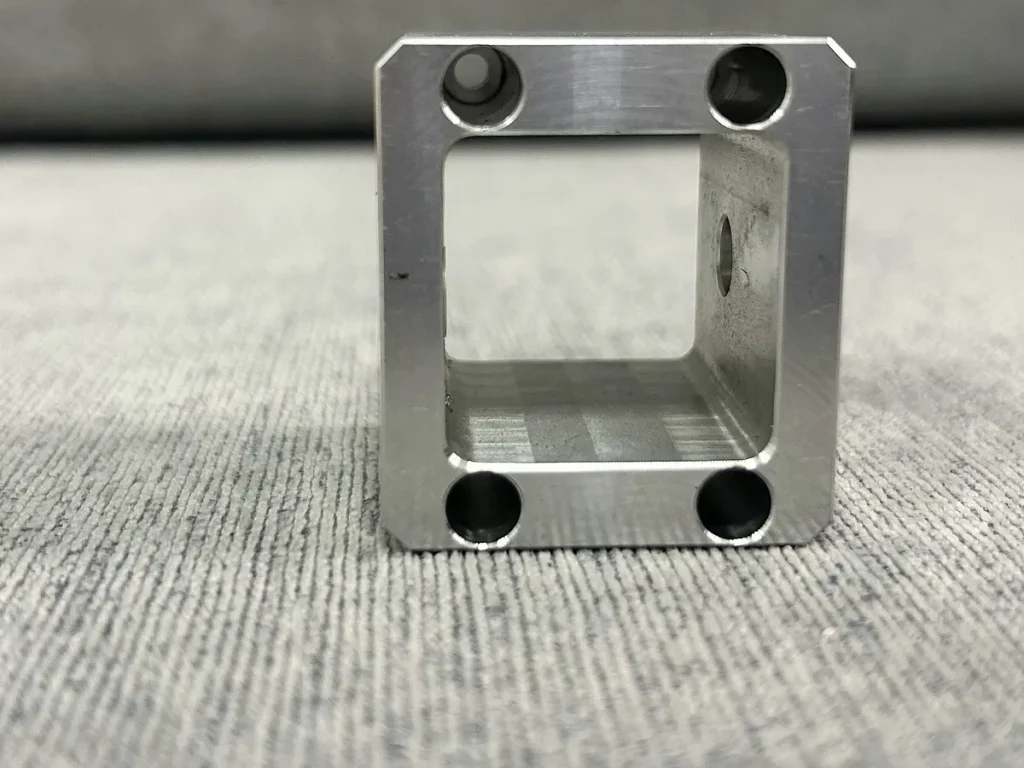
Aluminum enclosures and heat sinks sit at the heart of many machines: they protect electronics, carry heat away from power components and give the product its finished look. When the design calls for thin walls, tight pockets or custom fin geometry, CNC machining is often the fastest and most reliable way to make them, from the first prototype to repeat OEM batches.
This short guide explains how precision milling, turning and micro machining are used to produce custom aluminum enclosures and heat sinks, which materials to choose, and what to include in your RFQ.
Why CNC machine aluminum enclosures and heat sinks?
- No tooling cost: no die-casting or extrusion dies, so prototypes and small batches stay affordable.
- Custom size and geometry: every part is machined to your drawing, not to a catalog size.
- Better accuracy: milled sealing faces, bores and mounting holes hold tighter tolerances than cast or extruded parts.
- Fast design changes: update the CAD file and the next batch follows the new revision.
Precision milling, turning and micro machining
CNC milling
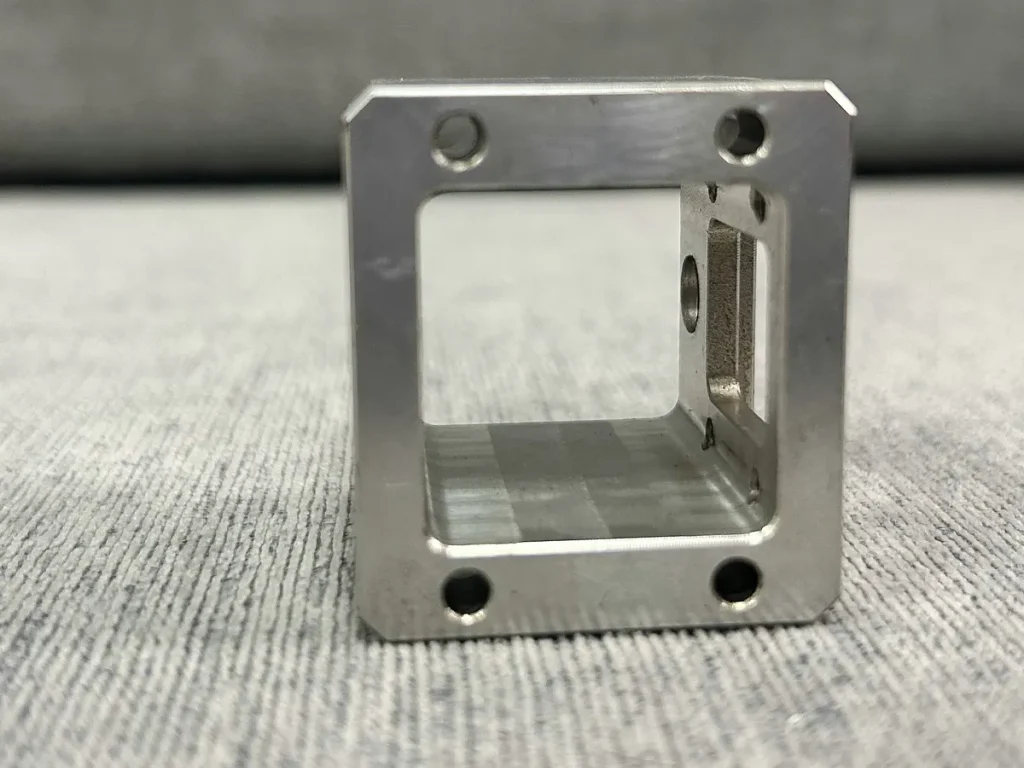
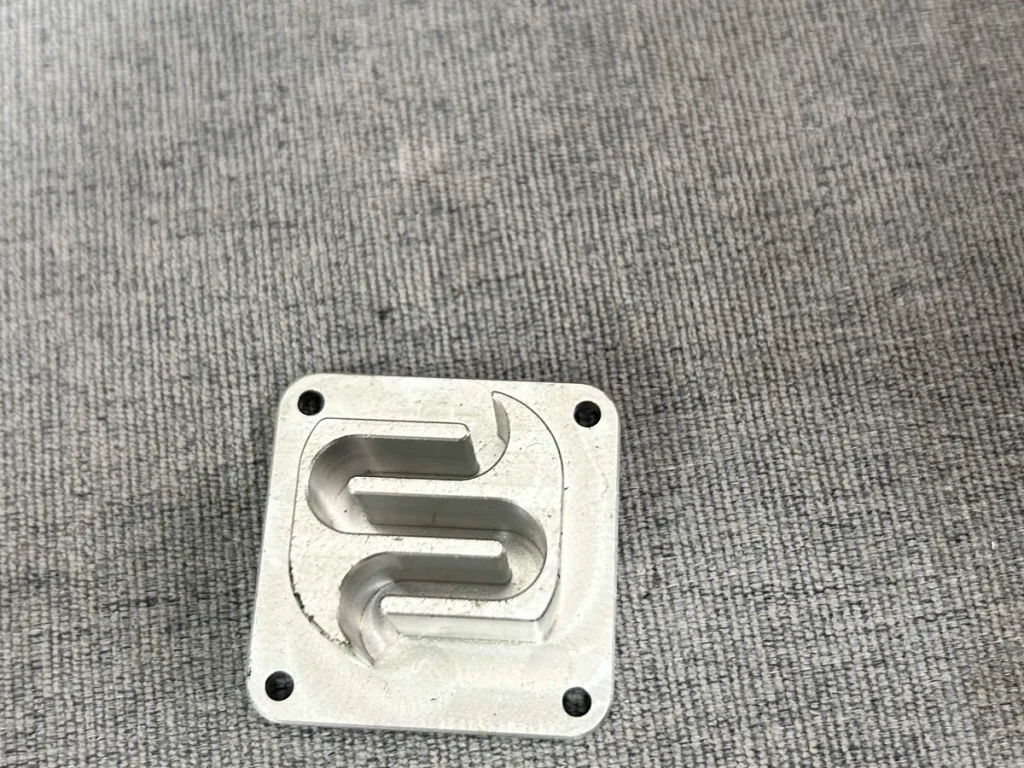
Most enclosures are milled from a solid aluminum block. Multi-axis milling cuts the outer profile, deep internal pockets, mounting bosses, connector openings and threaded holes in as few setups as possible, which keeps features accurately positioned to each other.
CNC turning
Round housings, end caps, spacers and cylindrical heat sinks are turned on CNC lathes. Turning gives concentric bores and fine surface finishes on sealing diameters and O-ring grooves.
Micro machining
Small enclosures for sensors, optics and compact electronics need small tools and fine features: narrow slots, small tapped holes and thin ribs. Micro machining handles these details without sacrificing accuracy.
Machining thin-wall enclosures without distortion
Thin walls save weight and space, but they can vibrate and distort during cutting. A good machining process controls this by:
- Roughing first and leaving stock, then finishing after the material has relaxed
- Using sharp tools, light finishing passes and rigid fixturing
- Machining critical faces such as sealing surfaces in the final operation
- Keeping wall thickness consistent and adding internal corner radii where the design allows
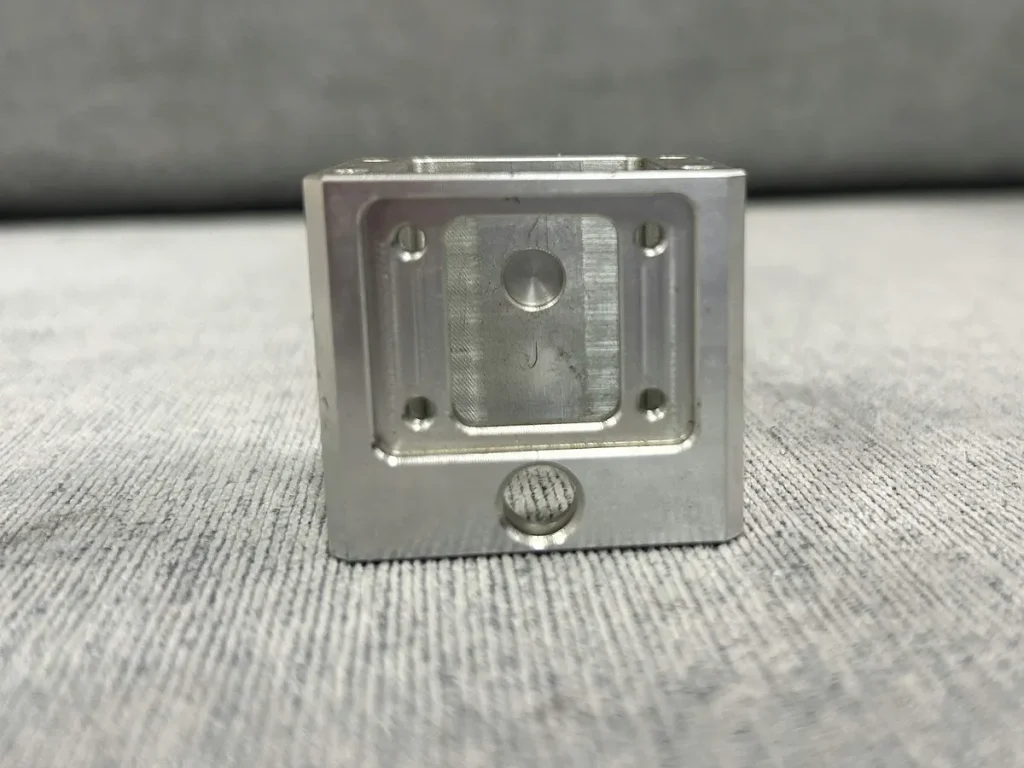
If a wall must be very thin, mark it on the drawing so the supplier can plan the toolpath and fixturing before quoting.
CNC machined heat sinks
A machined heat sink lets you put fins, pins and mounting features exactly where your thermal design needs them. Key points to define:
- Fin height, thickness and spacing: taller, thinner fins add surface area but take more machining time.
- Base flatness: a flat contact face is essential for good heat transfer to the component.
- Material: aluminum for light weight and cost; copper where maximum thermal conductivity is needed.
- Finish: black anodizing is common for heat sinks; keep the contact face unanodized or specify it clearly.
Material options
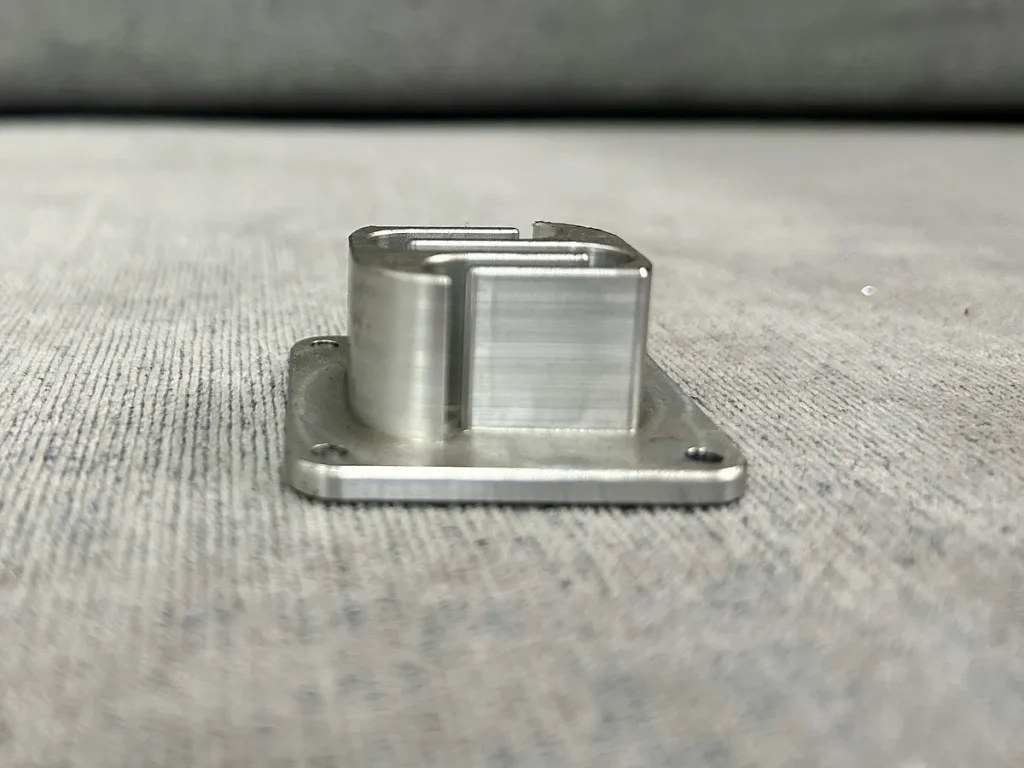
- Aluminum (6061, 7075 and others): the standard for enclosures and heat sinks; light, strong and easy to anodize.
- Color-coated (anodized) aluminum: clear, black or custom colors for corrosion resistance and appearance.
- Copper: high thermal and electrical conductivity for demanding heat sinks and busbars.
- Brass and bronze: fittings, connectors and wear parts.
- Stainless steel: corrosion-resistant enclosures for outdoor, food or medical equipment.
- Carbon steel: strong, cost-effective structural machine parts.
OEM, ODM and quality control
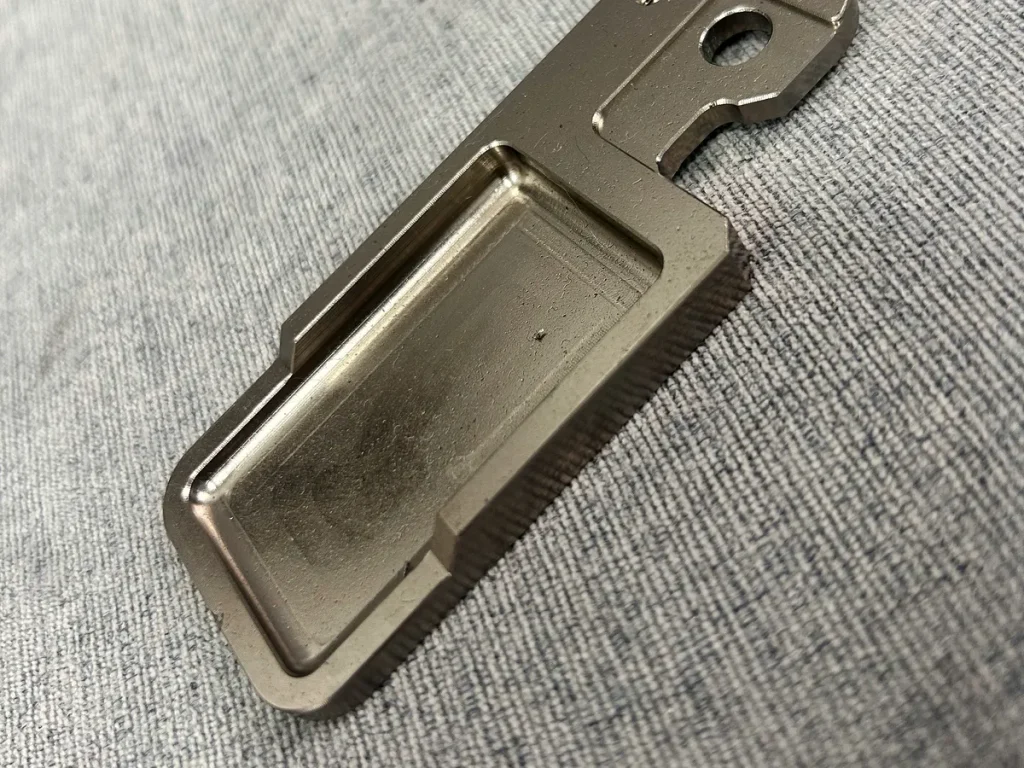
We machine to your drawings (OEM) and can also help refine a design for manufacturability (ODM). Critical dimensions are inspected before shipping, and you can tell us in the RFQ whether you need sampling or 100% inspection and which reports you need. Typical applications include machinery, automation equipment, electronics and power modules, LED lighting and instruments.
What to include in your RFQ
- 3D model (STEP) and 2D drawing (PDF) with revision
- Material grade and finish (e.g. 6061-T6, black anodized)
- Critical tolerances, wall thickness and flatness requirements
- Quantity: prototype and expected annual volume
- Target delivery date and destination
For more detail on housing drawings, read our guide on what to specify for CNC machined housings and covers.
See examples of parts we have machined, such as this complex equipment housing and this multi-pocket equipment frame.
Get a quote for custom aluminum enclosures and heat sinks
Vantech machines custom CNC housings and covers and other precision parts to customer drawings. See our CNC machining capabilities, or send us your drawing with the material, quantity and finish, and we will reply with a quotation.
FAQ
Can CNC machining make thin-wall aluminum enclosures?
Yes. With proper fixturing, roughing and finishing strategy, CNC milling can produce thin walls while holding flatness and dimensional tolerances. Mark any very thin walls on the drawing.
Is a CNC machined heat sink better than an extruded one?
For prototypes, small batches and complex fin or mounting geometry, CNC machining is usually faster and more flexible. For very high volumes of simple profiles, extrusion is cheaper.
Which materials do you machine?
Aluminum, color-coated (anodized) aluminum, copper, brass, bronze, stainless steel and carbon steel.
Do you inspect every part?
The inspection level is agreed per order. Tell us in your RFQ whether critical dimensions need sampling or 100% inspection, and which reports you need.