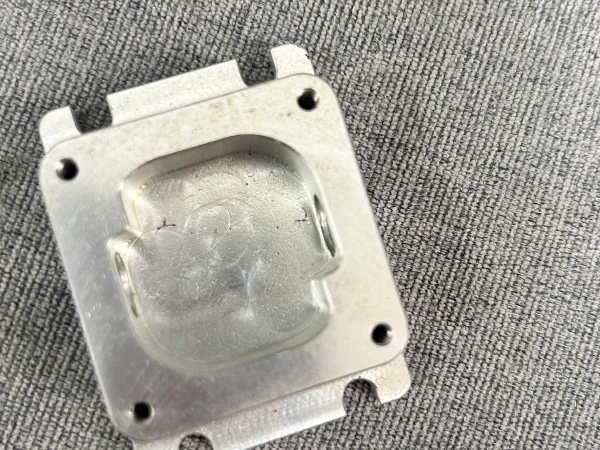
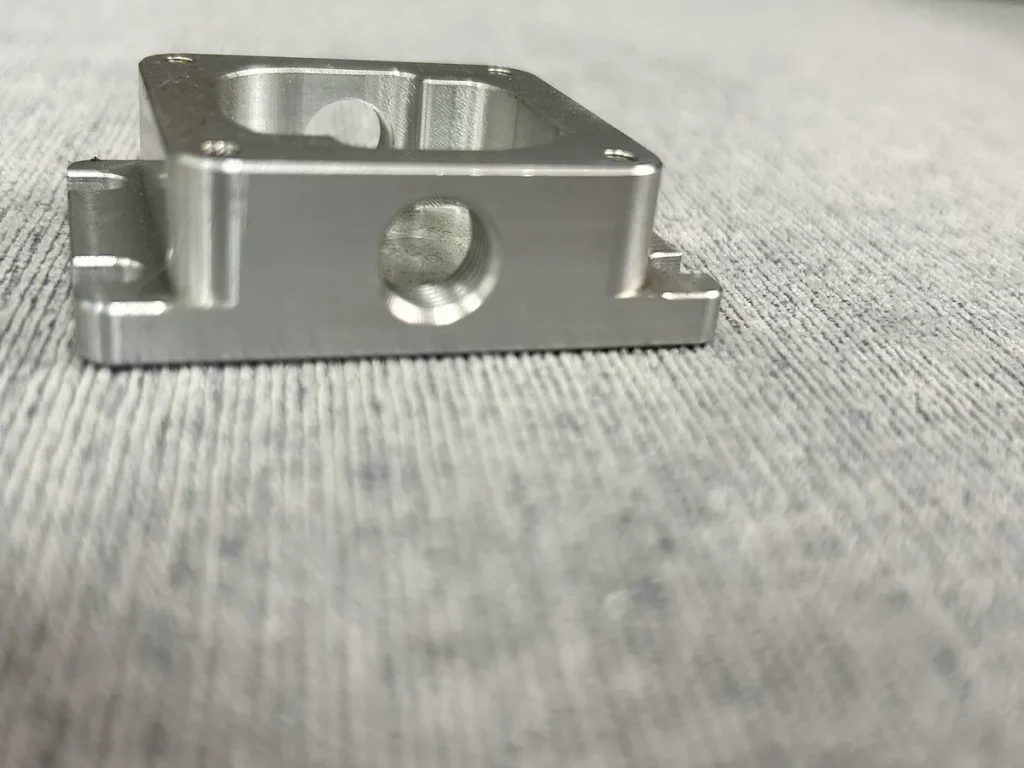
Custom CNC machined housings and covers protect the most sensitive parts of your equipment: electronics, sensors, motors and optics. They also have to seal, mount, dissipate heat and look good. That is why a housing RFQ that only says “machine per drawing” often leads to back-and-forth questions, quotes that don’t compare, or parts that pass inspection but fail in assembly.
This guide covers what to specify before ordering custom CNC machined housings, so your supplier can quote accurately and deliver parts that fit the first time.
1. Start with complete CNC machined enclosure specifications
The best starting point is a 3D model plus a 2D drawing:
- 3D model (STEP / IGES): defines geometry for CAM programming.
- 2D drawing (PDF / DWG): defines what the model cannot — tolerances, datums, thread callouts, surface finish, cosmetic zones and notes.
If the model and the drawing disagree, say which one controls. Most machine shops treat the drawing as the master for tolerances and the model as the master for untoleranced geometry. Also state the drawing revision, so repeat orders are never machined from an outdated file.
2. Choose the right material for the housing
CNC machined aluminum housing
Aluminum is the most common choice for housings and covers because it machines quickly, is light, conducts heat well and anodizes cleanly.
- 6061-T6: the general-purpose choice; good strength, weldable, anodizes well.
- 7075-T6: higher strength for thin walls or high loads; slightly less corrosion resistance.
- 5052 / 5083: better corrosion resistance for marine or outdoor enclosures.
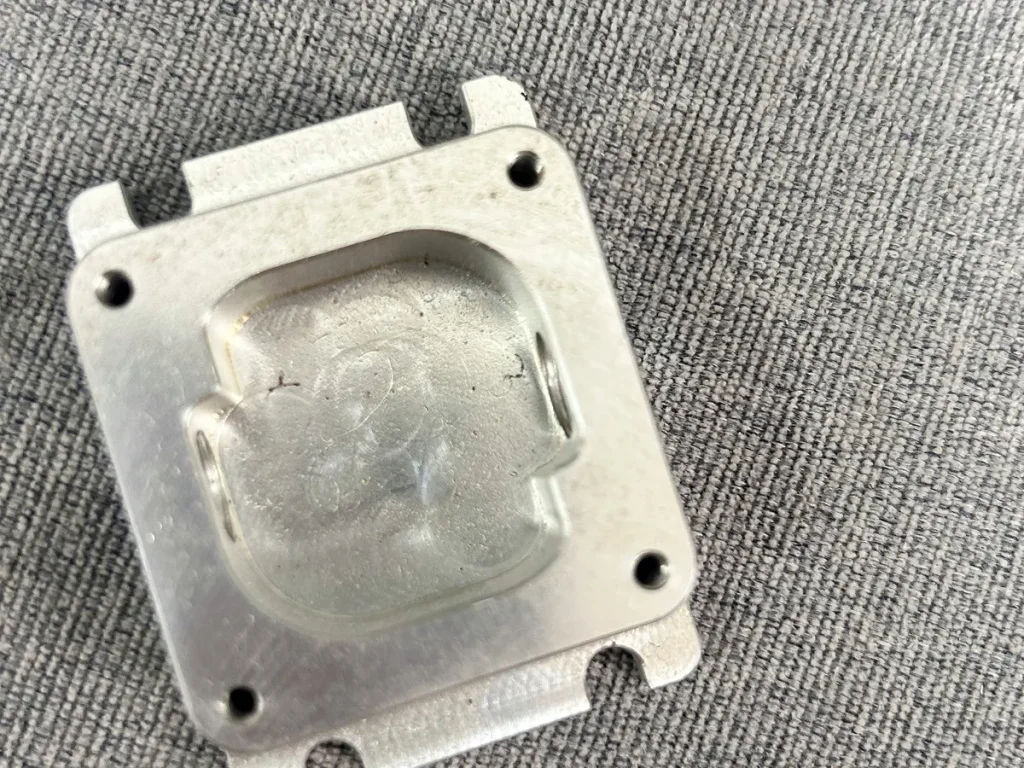
Other materials
- Stainless steel (304 / 316): food, medical, chemical or outdoor environments.
- Engineering plastics (POM, PEEK, PC, nylon): electrical insulation, RF transparency or light weight.
- Copper or brass: when thermal or electrical conductivity matters.
Specify the exact grade and temper, not just “aluminum”. If you need a material certificate (mill cert), say so in the RFQ.
3. Define CNC housing tolerances where they matter
Over-tolerancing is one of the biggest cost drivers for custom housings. A practical approach:
- Apply a general tolerance standard (for example ISO 2768-m) to non-critical features.
- Add tight tolerances only to functional features: bearing bores, locating pins, mating faces, PCB mounting bosses and connector cutouts.
- Use GD&T for relationships that matter: flatness of the sealing face, position of hole patterns, perpendicularity of bores to the mounting face.
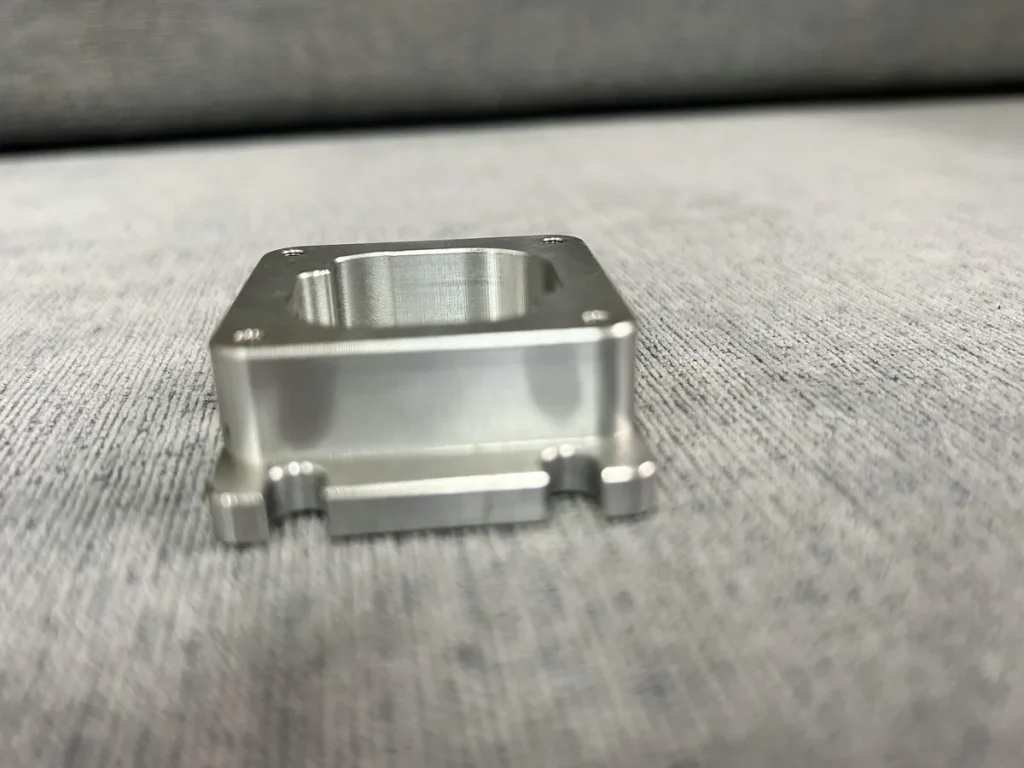
If a lid must fit its base, tell the supplier which features are mating features, so the two parts can be machined and inspected as a matched pair.
4. Sealing surfaces, gaskets and O-ring grooves
Many housings must keep out dust, water or EMI. For IP-rated or sealed enclosures, specify:
- Flatness for sealing surfaces: the flatness tolerance on the face that meets the gasket or cover.
- Surface roughness (Ra) on the sealing face, since a rougher face can leak even if flat.
- O-ring groove dimensions: width, depth, corner radius and finish, preferably per the O-ring manufacturer’s standard.
- Gasket type and compression, if the supplier is also checking fit.
- Target IP rating (e.g. IP65, IP67) as context, even if final testing is done at your side.
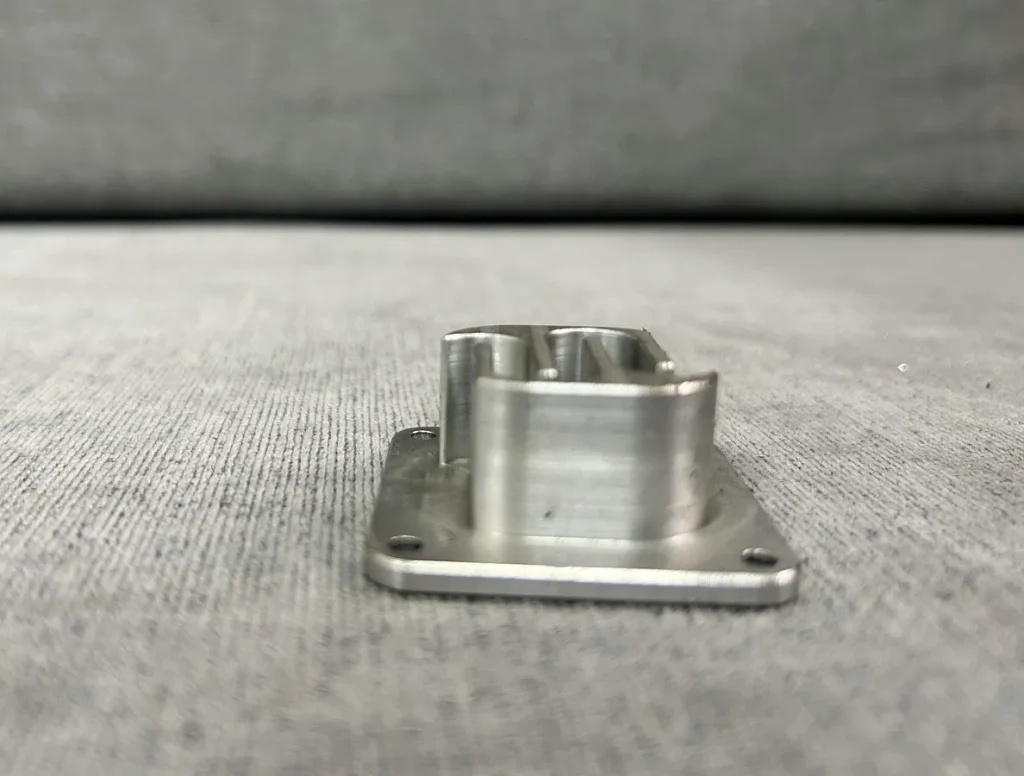
Thin-walled housings can distort after heavy material removal. Flag critical flatness early, so the shop can plan roughing, stress relief and finishing passes.
5. Wall thickness, pockets and internal corners
Housings are usually machined from solid billet with deep pockets. Help your supplier (and your budget) by noting:
- Minimum wall thickness: very thin walls vibrate during cutting and may distort.
- Pocket depth vs. width: deep, narrow pockets need long tools, which run slower and cost more.
- Internal corner radii: an end mill always leaves a radius in vertical internal corners. Allow the largest radius your design can accept. If a part must fit into a sharp corner, consider relief cuts (dog-bone corners) instead.
- Floor fillets and draft: state whether they are allowed or must be sharp.
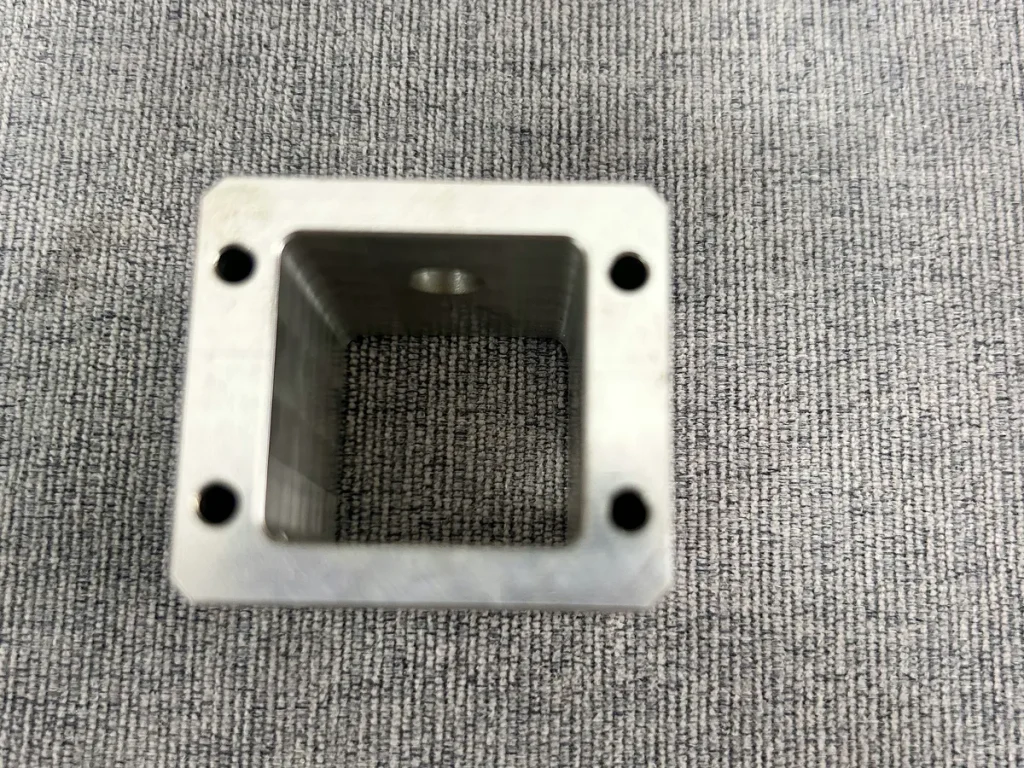
6. Threads, inserts and fasteners
Covers are attached with screws, so threads are critical. Specify:
- Thread standard and size (e.g. M3×0.5, 6H; or UNC 4-40)
- Thread depth, and whether holes are blind or through
- Threaded inserts (helicoils, press-fit or self-clinching), including part numbers if possible
- Counterbores or countersinks for cover screws, so heads sit flush
For aluminum housings that will be opened often, steel thread inserts are a good way to prevent stripped threads.
CNC machined cover plate details
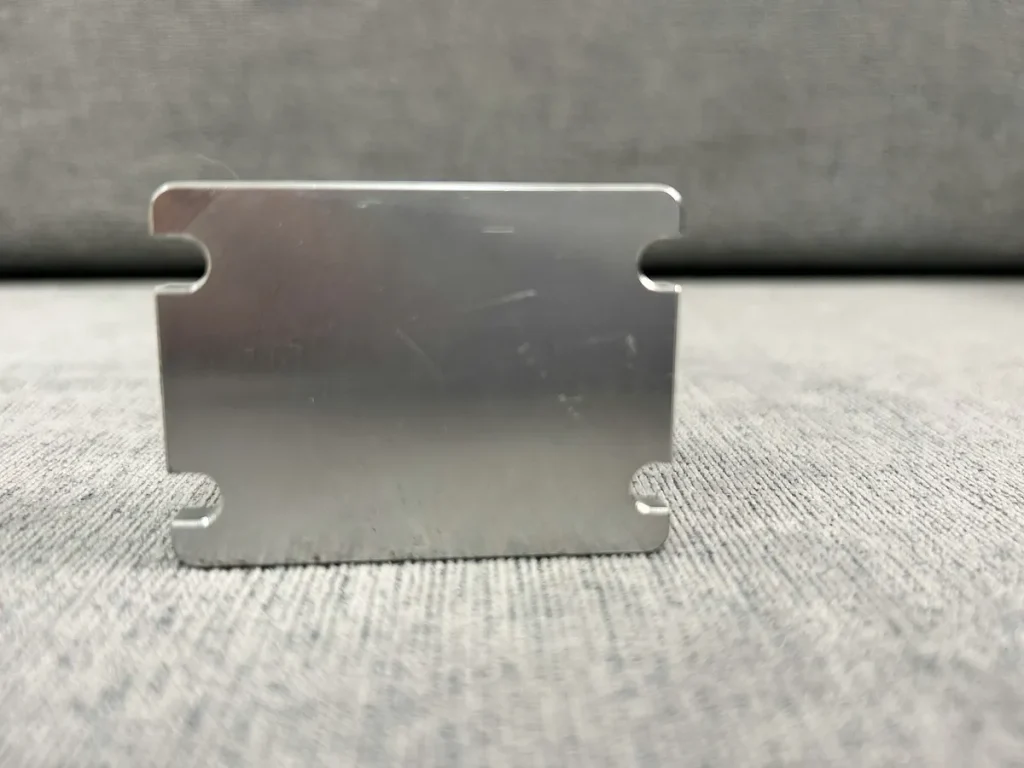
A cover plate looks simple, but it controls sealing and appearance. Specify the hole pattern position relative to the base, the flatness, the edge break (chamfer or radius), and any engraving or laser marking.
7. Surface finish and anodized aluminum enclosures
Finishing affects appearance, corrosion resistance, conductivity and final dimensions. Define:
- Machined finish: as-machined, bead blasted or brushed
- Anodizing: Type II (decorative, in many colors) or Type III hard anodizing (wear resistance), with the color, e.g. black or clear
- Conductive areas: grounding points or EMI gasket faces often need to be masked from anodizing, or plated with chromate conversion instead
- Powder coating or painting: color code (RAL / Pantone) and texture
- Cosmetic class: which faces are visible to the end user, and what scratches or tool marks are acceptable
Anodizing adds thickness. State whether tolerances apply before or after finishing, especially on bores and threads.
8. Quantity, low volume CNC machined housings and lead time
Quantity changes the best manufacturing approach:
- Prototypes (1–10 pcs): fast setups, focus on design validation.
- Low volume CNC machined housings (10–500 pcs): dedicated fixtures and optimized toolpaths begin to pay off.
- Repeat production: stable process plans, first-article inspection and consistent batch quality.
Share your prototype quantity, expected annual volume and target delivery date. This lets the supplier quote both a prototype price and a production price.
9. Inspection and quality documentation
Say what proof of quality you need:
- First Article Inspection (FAI) report
- Dimensional report on critical features (CMM or manual)
- Material certificate and finishing certificate
- Cosmetic inspection standard
- Packaging: individual bags, foam or dividers to protect finished faces in transit
10. RFQ checklist for CNC machined housings
Before you send your RFQ, check that you include:
- 3D model (STEP) + 2D drawing (PDF) with revision
- Material grade and temper
- Critical tolerances and GD&T, with general tolerance for the rest
- Sealing face flatness, roughness and O-ring groove details
- Thread specs, inserts and fasteners
- Surface finish, color, masking areas and cosmetic faces
- Quantity (prototype + annual volume) and target date
- Inspection reports and certificates required
- Packaging and delivery destination
For a similar checklist for brackets, see our CNC bracket drawing quote checklist. For plates, see our mounting and adapter plates page.
Common applications
Custom CNC machined housings and covers are used across many industries:
- CNC machined electronics enclosures for controllers, PCBs and power modules
- Sensor and camera housings for automation and machine vision
- Motor, gearbox and actuator covers
- Instrument and test-equipment enclosures
- Heat-sinking housings for LED and power electronics
Work with a custom CNC housing manufacturer in China
Vantech machines custom CNC housings and covers to customer drawings at our factory in Suzhou, China, from prototype and NPI builds to repeat small-batch production. Our engineers review your drawing before production. We flag tolerance, wall-thickness or finishing risks early, so your parts arrive ready to assemble. Learn more about our CNC machining capabilities.
Have a housing drawing ready? Send it to us with the material, quantity, finish and critical tolerances, and we’ll reply with practical next steps and a quotation.
FAQ
What file formats should I send for custom CNC machined housings?
A STEP file for the 3D geometry and a PDF drawing for tolerances, threads and finish. DWG/DXF and IGES are also commonly accepted.
What is the best material for a CNC machined aluminum housing?
6061-T6 suits most housings. Choose 7075 for higher strength, and 5052 or 5083 for better corrosion resistance.
How do I make a CNC machined enclosure waterproof?
Specify a flat, smooth sealing face, a correctly sized O-ring groove or gasket, and enough screws to compress the seal evenly. Share the target IP rating with your supplier.
Does anodizing change the dimensions of a housing?
Yes. Anodizing grows the surface slightly, and hard anodizing grows it more. State whether tolerances apply before or after finishing, and mask critical bores or threads if needed.
Can you make low volume CNC machined housings?
Yes. CNC machining needs no molds, so it is cost-effective from a single prototype to several hundred pieces.